

Saturday, November 8
8:00 am – 4:30 pm
Crowne Plaza, Foster City
Join us for the 12th annual Adult Autism Conference!
Planning and support for adults with substantially disabling autism and related developmental disabilities. Topics include: legal and financial planning, public benefits, regional center services, self-determination, housing, medical and psychiatric care.
This conference is in person only.
Who should attend: Parents, caregivers, family members, and professionals.
Conference registration is free with membership.
(Membership not required.)

Morning Schedule
8:00am - 9:00 am
Registration, Continental Breakfast, & Resource Fair

9:00am - 9:55am
Keynote Speaker
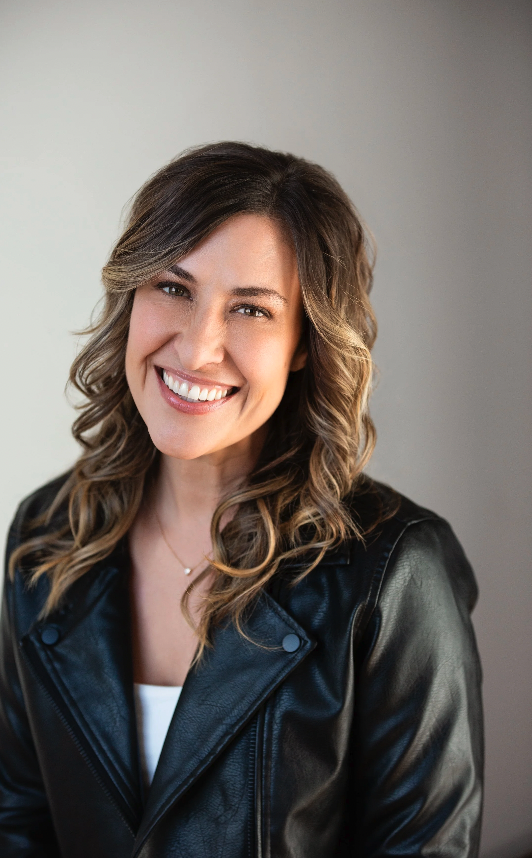
Amanda Atkins
Resilience in the Deep End:
Finding Yourself in the Hard Parts of Autism Caregiving
Amanda Griffith-Atkins, MS, LMFT, is a licensed therapist and founder of the Amanda Atkins Counseling Group in Chicago. Amanda earned a master’s degree from Northwestern University, but it wasn’t until her son was born that she discovered her life’s purpose: to help parents of disabled children find their stride. Amanda has become a leading expert in helping parents of disabled children navigate their emotions, relationships, and parenting. Renowned for her unique perspective on parenting, Amanda is an in-demand speaker, author, and guest lecturer. Her debut book, How to Handle More Than You Can Handle: Caring for Yourself While Raising a Disabled Child was released in June of 2025.
9:55am - 10:45 am
Keynote Speaker
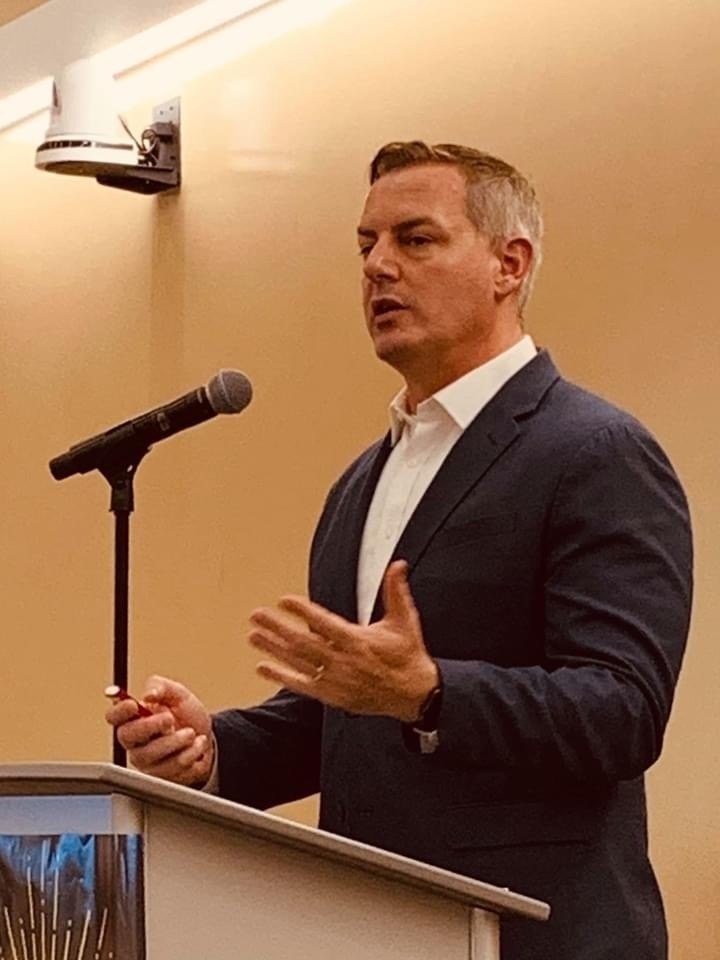
Aaron Carruthers
Federal Changes and State Impacts: Where Are We Today?
SCDD Executive Director Aaron Carruthers will provide an overview of recent federal changes and their impact on California. This session will offer insights into where we are today and what these shifts mean for the state moving forward.
- Understand recent federal policy changes and their impact on California’s disability services, rights, and systems.
- Recognize California’s current position and the state’s responses to these changes.
- Foster community awareness and provide reassurance during a time of uncertainty.
Aaron Carruthers is the Executive Director of the California State Council on Developmental Disabilities. He has worked in civil rights policy and programs for over twenty-five years, including as an appointee of two Governors, for California’s Attorney General, and in the State Senate and Assembly. He is currently carrying out the Council’s 2025 theme “We’re in Charge.” Last year SCDD’s work impacted more than 9.3 million Californians. He is a child of parents with developmental and other disabilities, is a person with disabilities, and is the parent of young man with disabilities.

11:00am - 12:15am
Buffet Lunch & Resource Fair
Enjoy the wonderful lunch selections and stroll through our resource fair visiting the many amazing exhibitors!
Afternoon Schedule
12:15 - 1:30 pm
(choose one)
Housing Options
Building the Bridge between Housing and Community
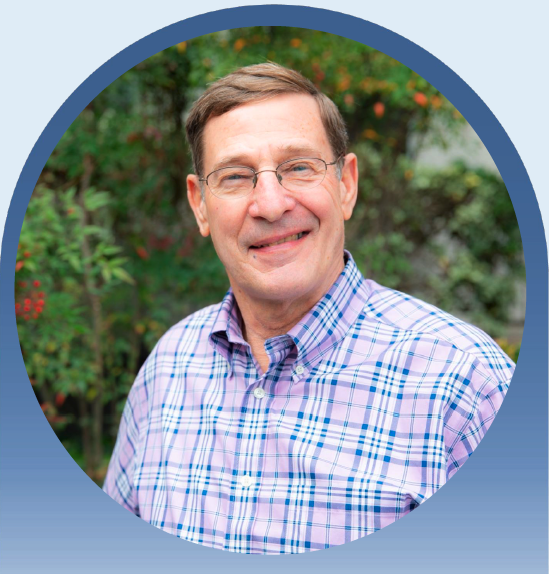
Dana Hooper, LSA, Facilitator. Dana has been the Executive Director of Life Services Alternatives (LSA) for 16 years. His commitment to the I/DD community began when his son Brent was diagnosed with an intellectual disability. Dana has held leadership roles with organizations such as Branch Services, Lighthouse for the Blind and Visually Impaired, and the California State Department of Developmental Services. He has also worked closely with the San Andreas Regional Center, where his son receives Supported Living services. Through his role at LSA, Dana leads the organization’s mission to empower adults with I/DD by providing inclusive homes and person-centered programs. His experience as a parent, advocate, and nonprofit leader gives him a unique lens into the needs of the community and drives his passion to create meaningful opportunities for every individual LSA serves.
Barbara Montaldo, Moving Forward.
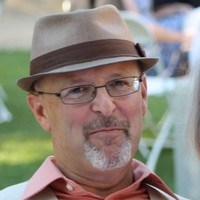
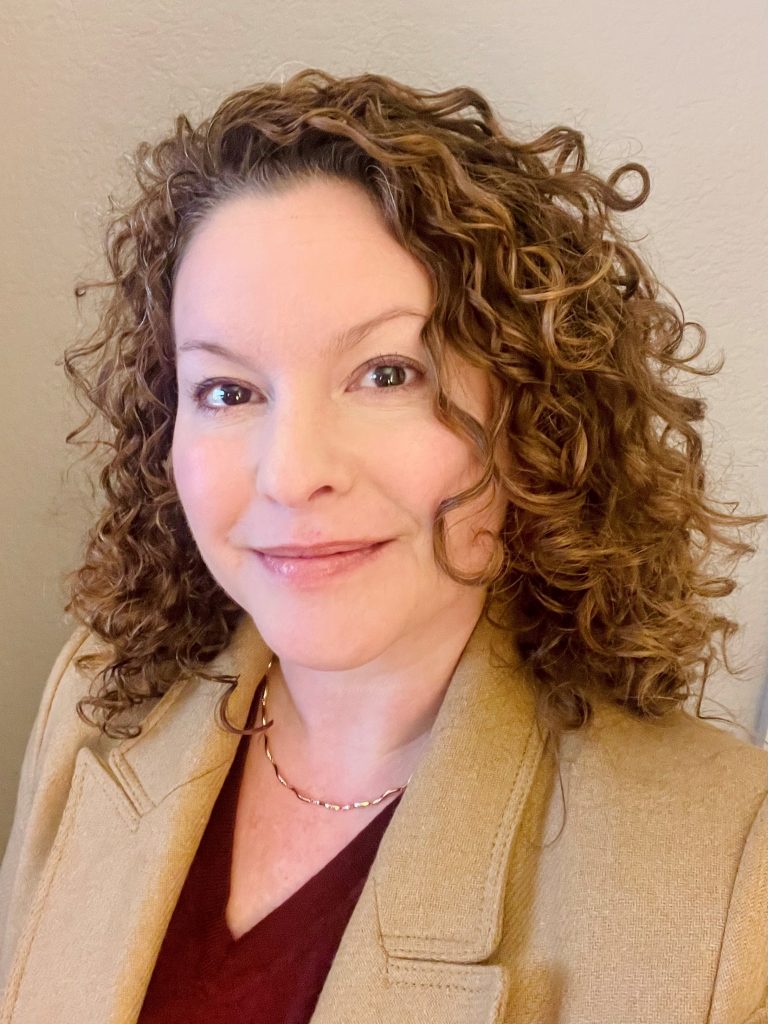
Susan Riggle co-founded Living Unlimited with Alex Krem to work on solving the problem of where her son and others like him will end up once parents are gone. She realized that this isn’t just a dilemma for her family, this is a challenge for others too. Banding together to pool resources, share skills and impart knowledge to each other is invaluable and powerful. Knowing that your special child will have a safe, secure and accommodating place to be after you are gone is more than comforting, it is empowering and provides an amazing sense of relief.
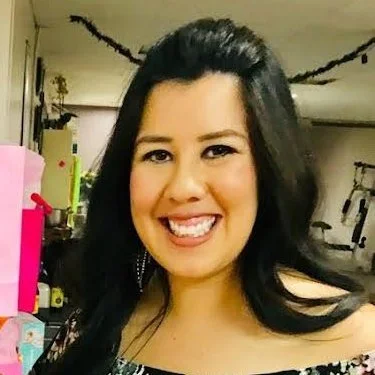
Dennise Jauregui is Executive Director of Housing Choices. Born and raised in Southern California, Dennise attended UC Santa Cruz where she obtained her BA in Psychology. When she joined Housing Choices in 2013, she was the only Housing Coordinator for Santa Clara County. Since then she has helped to build a team of Santa Clara County Housing Coordinators and has been promoted to Program Manager and later Program Director. Over the years, Dennise has been instrumental in helping Housing Choices grow, change and improve in many areas. She is fluent in English and Spanish and passionate about helping others and working with the community. She believes that having a stable home is an integral part of an individual’s identity and finds it very rewarding to be able to help individuals attain something that has such a direct impact on their future achievements and successes. In her free time, you’ll find Dennise spending time with her daughter at different parks and exploring new foods.
Self Determination
Overview and Current Reality
This opening panel session features key leaders involved in California’s Self-Determination Program sharing their perspectives on SDP: the successes, the challenges, and its future.
Eric Zigman, Executive Director, Golden Gate Regional Center. Eric has over thirty- six years of experience in the field of providing services and supports to individuals with developmental disabilities. During that time, he has played many roles, including directing, managing, and leading multi-service agencies.
Jennifer Walsh, CTRS Ability Integrator, Community Living Campaign, Co-chair Golden Gate Regional Center SDAC. Jennifer is a dedicated advocate for inclusion and accessibility in her role as co-chair of the Golden Gate Regional Center Self-Determination Local Advisory Committee. She serves as the Inclusion and Accessibility Lead at the Community Living Campaign (CLC), a nonprofit organization based in San Francisco. CLC focuses on empowering seniors and adults with disabilities by fostering social connections within their communities.
At CLC, Jennifer is instrumental in ensuring that all programs and activities are accessible. She provides in-service training for staff, equipping them with the knowledge and skills necessary to promote inclusion. Recognizing the importance of digital accessibility, she has also designed monthly sessions focused on accessibility settings for devices, enhancing the experience for participants during virtual lessons. Additionally, Jennifer facilitates a social group for individuals using Alternative Augmentative Communication, creating safe spaces for sharing and connection.
Jennifer is deeply involved in the local disability advocacy community. She co-chairs the San Francisco Dignity Fund Oversight Advisory Committee and the Community Alliance of Disability Advocates. A National Certified Therapeutic Recreational Specialist, she also runs her own business, COMAAT, which stands for “Changing One Mind at a Time.” Through her presentations on disability awareness, she works with various organizations and collaborates one-on-one with individuals to support them in creating meaningful, fulfilling lives. Furthermore, she plans an annual disability pride celebration, fostering community and visibility for people with disabilities.
The State Council on Developmental Disabilities (SCDD / State Council) is established by state and federal law as an independent state agency and strives to make California the best place for people with developmental and other disabilities. The State Council disrupts systems to make them work better – more efficient, agile, and accountable for Californians with IDD and their families.
The State Council on Developmental Disabilities (SCDD / State Council) is established by state and federal law as an independent state agency and strives to make California the best place for people with developmental and other disabilities. The State Council disrupts systems to make them work better – more efficient, agile, and accountable for Californians with IDD and their families.
Sheraden Nicholau, Deputy Director, Regional Office Operations | California State Council on Developmental Disabilities Moderator. Sheraden Nicholau is the State Council’s Deputy Director of Regional Office Operations. Her role is the lead position fulfilling the department’s federal and state mission for systems change and capacity building. Sheraden brings over 20 years of experience in disability services, policy, and advocacy, with leadership roles across nonprofit organizations, advisory committees, task forces, and cross-sector partnerships. Sheraden holds an MA and BA in Sociology focused on social justice, social capital, and human services.
Stanford
Assessment and Treatment of Behaviors and Psychiatric Disorders in Autism
Jessika Hurts, PsyD, Stanford University
Janani Venugopalakrishnan, MD, Stanford University
Antonio Hardan, MD, is the Principal Investigator of the Autism and Developmental Disorders Research Program and the Director of Child and Adolescent Psychiatry at Stanford University. His areas of research include (but are not limited to): The neurobiology of autism, neuroimaging in individuals with autism, psychopharmacological treatment of children and adults with autism and/or developmental disorders, the neurobiology and innovative interventions of several neurogenic disorders including DiGeorge Syndrome (Velocardiofacial syndrome; 22q11.2 mutations), PTEN mutations, and Phelan McDermid Syndrome (22q13 mutations).
Supportive Services
CAL-ABLE Accounts vs. Special Needs Trusts:
Which one do I need?
The presentation will compare and contrast how Cal ABLE Accounts can be used by disabled individuals and their families against how Special Needs Trusts can be best used. Where do these tools intersect? What are best practices for each? We’ll cover all of these questions and more.
Ellen Cookman is the principal of Cookman Law in Palo Alto, California. She is passionate about helping families of all shapes and sizes plan for the future and utilize available resources. Ellen is a Certified Specialist in Estate Planning, Trust & Probate Law from the California State Bar Board of Legal Specialization. She received her J.D. from UC Berkeley School of Law and her LL.M. in Estate Planning, Trust and Probate from Golden Gate University. Ellen lives in East Palo Alto with her husband, two middle-school boys (her older son has high-functioning autism), a husky mix named Rosie and a kitty named Skittles. Please check out Ellen’s very popular YouTube channel on special needs planning!
Thomas Martin was sworn in as Executive Director of the California Achieving a Better Life Experience (CalABLE) program in April 2024. Thomas has been diagnosed with autism spectrum disorder (ASD) and is the proud father of two children diagnosed with ASD and other developmental disabilities. As Executive Director of CalABLE, Thomas is focused on supporting personal and financial independence in the disability community.
Prior to joining CalABLE, Thomas supported the California Department of Veterans Affairs (CalVet) for more than a decade. Among other roles, Thomas served as the Assistant Deputy Secretary and Chief of Future Operations and Planning for the state’s eight Veterans Homes, which provide long-term care for up to 2,300 former servicemembers. Thomas has also held several appointments in the Office of the Governor. He holds a master’s degree in government with honors from California State University, Sacramento, and a bachelor’s degree in political science and history from the University of California, San Diego.
Medical Care & Wellness
Addressing ASD Challenges Through the Treatment of Medical Comorbidities and Multidisciplinary Care
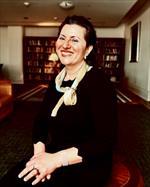
James McCracken, MD, is a Professor in the Department of Psychiatry and Behavioral Sciences and Deputy Vice Chair of Research at UCSF. Dr. McCracken specializes in the safe and effective use of medications for the treatment of a variety of child psychiatric and neurodevelopmental disorders including ADHD, autism, OCD, and tic disorders. Dr. McCracken previously served as the Director of the Division of Child and Adolescent Psychiatry at the UCLA NPI-Semel Institute for 30 years before joining UCSF. Dr. McCracken received his medical and postgraduate training at Baylor College of Medicine, Duke University, and UCLA before joining the faculty at UCLA in 1987. He is the recipient of several honors and awards, including the American Psychiatric Association (APA) Young Psychiatrist Research Award. He has published more than 150 papers in the area of child psychiatry and serves on the editorial board of the Journal of Child and Adolescent Psychopharmacology. Dr. McCracken holds memberships in various local, national, and international professional organizations, including the APA, American Academy of Child and Adolescent Psychiatry, International Society for Research in Child and Adolescent Psychopathology, International Society of Psychoneuroendocrinology, and the Society for Neuroscience. He has been listed in both the Best Doctors in America and America’s Top Doctors databases.
Dr. Anne Glowinski is the Robert Porter Distinguished Professor and Child and Adolescent Psychiatry and Behavioral Sciences (CAPBS) Division Chief at UCSF (Mission Bay and Oakland campuses) and also serves as the Medical Director for the Schwab Dyslexia and Cognitive Diversity. She is recognized nationally and internationally, as a medical education expert with a versatile and broad foundation as a clinician scientist. She has led or contributed to several projects related to community child mental health including on the genetic epidemiology of youth suicide and suicidality, depression, bipolar disorder and social reciprocity.
Dr. Richard Jin is a board-certified adult psychiatrist and a psychiatrist-scientist at the University of California, San Francisco (UCSF), where he specializes in caring for patients with concurrent neuropsychiatric symptoms and neuroinflammatory or autoimmune disorders. He manages an outpatient consultation clinic for adults and children with these overlapping conditions. His primary research interest is in understanding how immune responses in the brain impact behavior. Dr. Jin received his M.D. and Ph.D. in Microbiology and Immunology from the Jacobs School of Medicine and Biomedical Sciences, where his graduate work focused on the regulation of tissue-specific immunity in chronic infection and sterile injuries. He completed the UCSF Psychiatry Research Resident Training Program with an Area of Distinction in Clinical Neurosciences and served as Chief Resident for Research. Following residency, he treated complex and refractory psychiatric conditions as a provider on the UCSF ECT service. He is now pursuing specialty training in Child and Adolescent Psychiatry at UCSF while studying the effects of early-life viral infection on brain development and behavior in the laboratory of Dr. Anna Molofsky. His research is supported by the A.P. Giannini Foundation and a UCSF Weill Clinician-Scientist Award.
Adult Services, Educational Options, and Work Preparation
Transition Services, Supported Employment, and Benefits
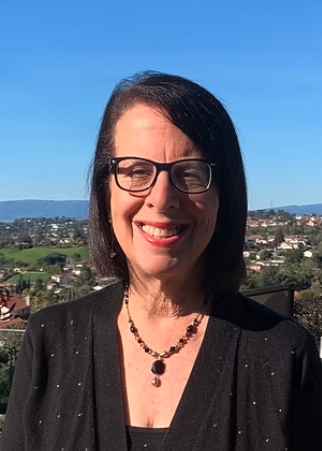
Donna Feingold is the President and Owner of Finding Golden Solutions, a consulting firm dedicated to helping organizations grow stronger. She is currently a consultant to HireAble which is a coalition of organizations committed to creating more employment opportunities for people with disabilities. Donna has almost 28 years of executive director experience. Most recently she was the Executive Director of the Adaptive Learning Center (ALC), a nonprofit in Concord serving adults with neurodevelopmental and autism spectrum disabilities. Prior to ALC, she was the Executive Director of Moving Forward Towards Independence, a nonprofit in Napa that provides employment and independent living skills to young adults with disabilities. Before Moving Forward, Donna was the Executive Director of Toolworks, a human service agency that creates social and economic opportunities to hundreds of individuals with disabilities each year in the San Francisco Bay Area. While she was at Toolworks, the agency managed several businesses, and approximately 70% of the organization’s 7 million dollar budget was generated from earned income.
In total, Donna has over 40 years of experience working with individuals with disabilities and other challenges She is a graduate of Leadership San Francisco, Class of 1999, and a graduate of Leadership Contra Costa County, programs that educates business leaders on the complex social and economic issues of their communities. She is also a certified Work Incentive Practitioner.
Donna received her Ed.M from Harvard University and her BA from the University of Pennsylvania.
Jenna Smith, Transition Specialist, Burlingame School District.
Tomasina Duenas, Employment Specialist, Regional Center of the East Bay.
1:40-2:30 pm
(choose one)
Housing Options
Developing Intentional Communities, Co-ops, and Affordable Housing Options
Darin Lounds, Housing Consortium of the East Bay
Discussion with participants to explore ways to create housing through intentional communities, co-ops, and traditional affordable housing utilizing public funds.
For 30 years, Darin has been a champion for those facing housing challenges. His expertise spans developing and sustaining safe havens for adults with developmental disabilities, homeless individuals with mental illness or addiction, families in crisis, adults exiting skilled nursing facilities, and formerly incarcerated individuals. By prioritizing Housing First principles, Darin empowers these communities to find stability, rebuild their lives, and thrive in secure environments. His dedication is evident in the countless lives he’s touched, proving that housing can be a starting line for lasting change. Darin is the Executive Director of HCEB and serves on the Board of Directors for the Alameda County Developmental Disabilities Council, the Lanterman Housing Alliance, the CA Policy Center for IDD, and Asian Neighborhood Design.
Lisa Zuegel, Constellation Community Living
Neighborhood-based intentional community goes beyond bricks and mortar. It builds inclusive communities grounded in Connection, Choice, and Compassion—offering a path to richer living experiences and deeper belonging. We will explore what inclusive living really means, and you’ll leave with practical steps to help enrich the lives of those with I/DD—whether you’re just beginning or already building.
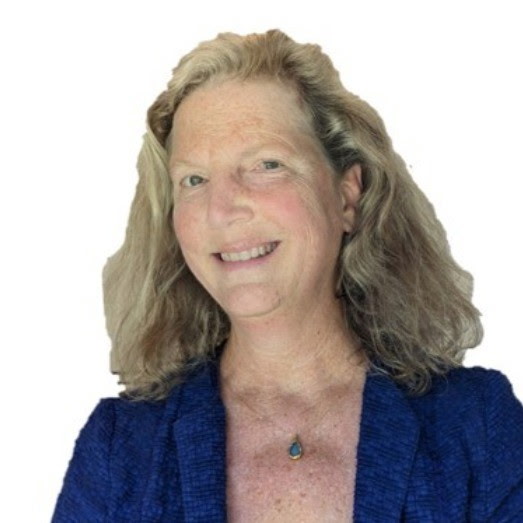
Lisa builds communities rooted in compassion, courage, and meaningful connection. She is the founder of Constellation Community Living, a movement inspired by her son and dedicated to creating inclusive spaces where everyone belongs. With a degree in industrial engineering and decades of experience leading teams and facilitating global leadership programs, Lisa blends systems thinking with a heartfelt commitment to building a more connected, inclusive future.
Lisa and her husband, Jim, have lived in the Mountain View – Los Altos area for four decades and have contributed in creating community. Lisa gets her inspiration from her children: her daughter, Devon, who is building a walkable, multigenerational village in Sonoma County, and her son Jeffrey, who is the North Star for creating an inclusive community in Mountain View.
Self Determination
SDP Lived Experience
This session will give you a perspective from SDP participants who’ll share best practices and practical tools on how they use SDP to access services & supports to meet their goals.
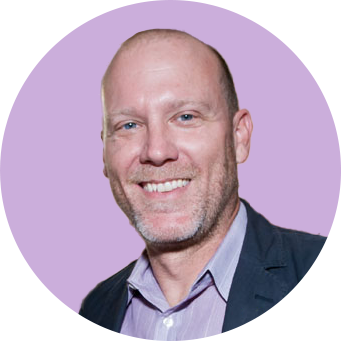
Valerie Montague – Parent Advocate, IF/Attorney. Valerie has been a parent attorney/advocate since her son was diagnosed as a person on the spectrum 26 years ago.
She pioneered efforts to address the lack of inclusive educational settings, increase access to cultural events by offering sensory friendly experiences and has assisted DDS in reforming Self-Determination.
David Rivera, Self Advocate. David Rivera is the autistic president and founder of Mentoring Autistic Minds, a California-based nonprofit that aims for a neurodiversity-affirming country through mentoring and education. David has written on autism and disability-related policy for the San Francisco Chronicle, Education Week, The Hill, and more. David is also an undergraduate at UC Berkeley.
Wendy Neikirk Rhodes – Support for Families, Parent Advocate. Wendy Neikirk Rhodes is the Executive Director of Support for Families of Children with Disabilities, a non-profit providing free support for families of children/youth with disabilities, learning differences, and complex medical needs in San Francisco and throughout the Bay area. Support for Families also is the Centralized Access Point for the San Francisco Department of Early Childhood’s Early Connections citywide initiative for developmental screening and support, the backbone agency for the public health innovation project SF Kids: the San Francisco Interagency Collaborative for CYSHN, and the home of the statewide Family Voices of CA which serves as the federal Family to Family Health Information Center for the state of California. Wendy joined Support for Families in 2022 with more than 20 years experience in non-profit fundraising and strategy honed in leadership roles with leading institutions including the New York Philharmonic, Alvin Ailey American Dance Theater, Syracuse Stage, and Legal Services of Central New York. In her tenure at Support for Families, Wendy has led the agency into a new era of organizational growth, fiscal stability, service quality, and commitment to families and the community.
Ken Parekh, Parent Advocate, GGRC Self-Determination Local Advisory Committee member, Stanford Autism Center Parent Advisory Board Member.
Stanford
Update on Folinic Acid in Autism
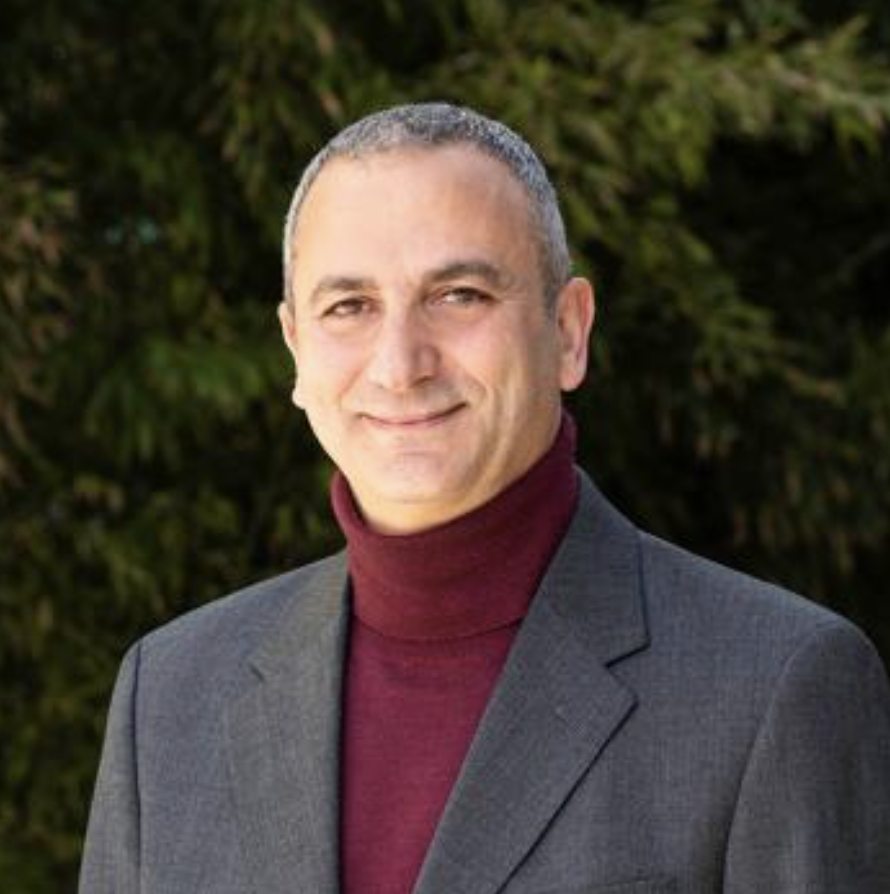
Antonio Hardan, MD, is the Principal Investigator of the Autism and Developmental Disorders Research Program and the Director of Child and Adolescent Psychiatry at Stanford University. His areas of research include (but are not limited to): The neurobiology of autism, neuroimaging in individuals with autism, psychopharmacological treatment of children and adults with autism and/or developmental disorders, the neurobiology and innovative interventions of several neurogenic disorders including DiGeorge Syndrome (Velocardiofacial syndrome; 22q11.2 mutations), PTEN mutations, and Phelan McDermid Syndrome (22q13 mutations).
Supportive Services
Pragmatics of Supported Decision Making
Eileen Crumm, MPA, PhD, Family Resource Navigators.
Explores the ways SDM can be used in education, medical, financial and other settings with a focus on pragmatic advice on SDM and companion agreements (like authorized representative and power of attorney).
Eileen works as the Executive Director of a nonprofit in northern California that serves families of children with developmental delays, disabilities, social emotional concerns and special health care needs. Eileen and the multi-cultural, multilingual peer parent staff work with about 2500 families a year, helping with community services including IEPs and IFSPs. Eileen participates in Family Voices of California, Help Me Grow Alameda County and the Family Resource Center Network of California. Eileen is a longtime Council of Parent Advocates and Attorneys (COPAA_ member who Chairs the Curriculum Review committee and is a SEAT (Special Education Advocate Training) instructor. She has worked for the local Parent Training and Information Center (DREDF), as a special education advocate in private practice, and as a university professor. Eileen is the proud parent of two young adults, one with physical disabilities.
Medical Care & Wellness
Coming up for Air:
Mindfulness and Self-Care for the Caregiver
Ed Center, Moderator
Amanda Griffith Atkins, MS, LMFT, is a licensed therapist and founder of the Amanda Atkins Counseling Group in Chicago. Amanda earned a master’s degree from Northwestern University, but it wasn’t until her son was born that she discovered her life’s purpose: to help parents of disabled children find their stride. Amanda has become a leading expert in helping parents of disabled children navigate their emotions, relationships, and parenting. Renowned for her unique perspective on parenting, Amanda is an in-demand speaker, author, and guest lecturer. Her debut book, How to Handle More Than You Can Handle: Caring for Yourself While Raising a Disabled Child was released in June of 2025.
Linda Lotspeich, Stanford, Clinical Professor, Psychiatry and Behavioral Sciences – Child & Adolescent Psychiatry and Child Development.
Adult Services, Educational Options, and Work Preparation
Future of Adult Services at Regional Center of the East Bay
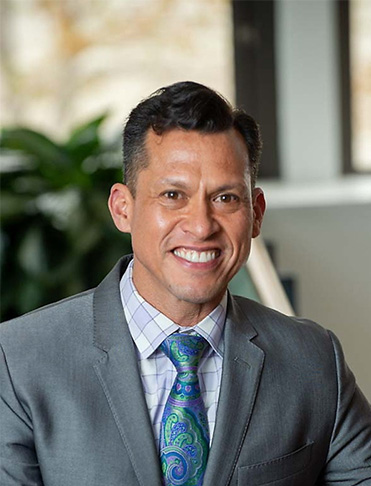
Rebecca Nanayojo, PhD, New Executive Director, Regional Center of the East Bay (RCEB). Dr. Nanyonjo possesses nearly 24 years of experience in the public health sector with broad experience in leading strategies, budgets, administration, programs and services, all with a focus on advancing health equity. She will be joining RCEB on Monday, January 13. Dr. Nanyonjo’s career reflects a deep commitment to improving the well-being of diverse communities, including those with intellectual and developmental disabilities. Most recently, Dr. Nanyonjo served as the Director of Public Health for Merced County where she oversaw public health, EMS, medical clinics, residency programs, refugee services, environmental health, and women and children’s services, including those addressing intellectual and developmental disabilities. Prior to joining Merced County, she served as the first Public Health Director and ultimately, Chief Deputy Director for the Stanislaus County Health Services Agency, where she had oversight of the Public Health Department and the Federally Qualified Health Clinics (FQHC-LAL) clinical system with a focus on community health improvement.
2:40-3:30 pm
(choose one)
Housing Options
Housing Specialists:
Regional Center Duties and Supports
Self Determination
How to Develop a Budget Under SDP
This session will provide insights on how to develop a budget under SDP from multiple perspectives (regional center, clients, independent facilitators, and financial management services).
Peyman Dadmehr, ACE FMS,
Kim Schreiber, Head of Care Management, NeuroNav,
Lisa Rosene, Director, Regional Center Services, Golden Gate Regional Center. Lisa Rosene has worked in the field of developmental disabilities for 48 years. She has a Masters in Social Welfare (MSW) degree from UC Berkeley and a license in Clinical Social Work.
Following receipt of her Masters degree, Ms. Rosene worked at The Arc San Francisco for 14 years. She has been with Golden Gate Regional Center for 30 years and is currently the Director, Regional Center Services for GGRC.
Aparna Kommenini – Bay Area Fiduciary and GGRC SDAC, Moderator
Stanford
Research at Stanford
Join Antonio Hardan, MD, and staff members of the Autism and Developmental Disorders Research Program at Stanford as they discuss past, current, and future research studies in the program. The workshop will include a discussion of active research opportunities, notable results from studies, and time for a Q&A.
Antonio Hardan, MD, is the Principal Investigator of the Autism and Developmental Disorders Research Program and the Director of Child and Adolescent Psychiatry at Stanford University. His areas of research include (but are not limited to): The neurobiology of autism, neuroimaging in individuals with autism, psychopharmacological treatment of children and adults with autism and/or developmental disorders, the neurobiology and innovative interventions of several neurogenic disorders including DiGeorge Syndrome (Velocardiofacial syndrome; 22q11.2 mutations), PTEN mutations, and Phelan McDermid Syndrome (22q13 mutations).
Supportive Services
Planning for the Future:
Best Practices to Support a Lifetime of Services and Security
For families of adult children with autism and other developmental disabilities, planning for the future involves much more than setting up a special needs trust or preserving public benefits. It’s about building a flexible, person-centered plan that adapts as laws, funding, and your child’s needs evolve over time.
Stephen W. Dale, Esq., LLM: attorney and disability rights advocate
●Serves on boards and committees of disability rights organizations (ARC of California and the Contra Costa County Developmental Disabilities Counsel)
●Spends much of his time attending disability rights activities, including legislative hearings and serving on boards and committees of disability rights organizations
●Teaches courses to the public, financial professionals, and other attorneys on special needs trusts and trust administration with a special emphasis on achieving independence while maintaining essential government benefits
●Frequent speaker on a variety of disability-related topics across the country (Stetson Law and the Center for Excellence Special Needs Conference and University of Texas annual Special Needs Conference)
●Long-standing member of the Special Needs Alliance (not for profit organization of attorneys dedicated to the practice of disability and public benefits law.)
● Trustee of the Golden State Pooled Trust
Medical Care & Wellness
Pharmacological Treatments for Autism Spectrum Disorder
James McCracken, MD, is a Professor in the Department of Psychiatry and Behavioral Sciences and Deputy Vice Chair of Research at UCSF. Dr. McCracken specializes in the safe and effective use of medications for the treatment of a variety of child psychiatric and neurodevelopmental disorders including ADHD, autism, OCD, and tic disorders. Dr. McCracken previously served as the Director of the Division of Child and Adolescent Psychiatry at the UCLA NPI-Semel Institute for 30 years before joining UCSF.
Dr. McCracken received his medical and postgraduate training at Baylor College of Medicine, Duke University, and UCLA before joining the faculty at UCLA in 1987. He is the recipient of several honors and awards, including the American Psychiatric Association (APA) Young Psychiatrist Research Award. He has published more than 150 papers in the area of child psychiatry and serves on the editorial board of the Journal of Child and Adolescent Psychopharmacology.
Dr. McCracken holds memberships in various local, national, and international professional organizations, including the APA, American Academy of Child and Adolescent Psychiatry, International Society for Research in Child and Adolescent Psychopathology, International Society of Psychoneuroendocrinology, and the Society for Neuroscience. He has been listed in both the Best Doctors in America and America’s Top Doctors databases.
Adult Services, Educational Options, and Work Preparation
Thoughts on Co-Occurring Conditions
Understanding the current mental health issues that adults with autism face. How mental health concerns can impact the quality of life for adults with autism including the most commonly diagnosed co-existing conditions.
Workshop will also examine how Brief Cognitive Behavioral Therapy through Mind Bridge can be effectively implemented to address emotion regulation and social awareness challenges faced by Transitional Aged Youth with developmental disabilities, and what are the impacts of such interventions?
Darcy Clark, University of Neveda, Reno, Graduate Student.
Special education candidate. She is a former special education teacher and specializes in adolescents and adults with autism. Her passion and research interests includes identifying ways to support adults with autism. Darcy is currently working on her dissertation on the mental health issues of college students, and teaches special education classes at the University of Nevada Reno. She also supports undergraduate students in the teacher preparation program. Darcy is also a former special education student which led to her journey of becoming an educator. She understands the complexities and necessities of IEPs and 504 plans and has experience writing IEPs and teaching future educators how to follow and understand IEPs in the general education setting.
Aryia Kaushek, Mind Bridge, Menlo School
Kaushek developed a strong interest in psychology and neuroscience due to a family history of neurological disorders including eating disorders, obsessive-compulsive disorder, and generalized anxiety disorder. Having personally benefited from Group Cognitive Behavioral Therapy (CBT), she has become passionate about raising awareness of CBT’s wide-ranging applications. Ariya has worked with the nonprofit SafeSpace to help reduce the stigma surrounding youth mental health, and with the San Mateo County Behavioral Health Youth Commission to enhance the Youth Crisis Care Continuum for children in the county. Through her work with MindBridge, she hopes to expand access to free, accessible CBT resources—particularly for children with developmental disabilities and co-occurring mental health disorders. As someone with a diagnosed psychiatric condition herself, Ariya is committed to ensuring that no child feels limited by their disorder. She wants all children to have the tools and support they need to pursue their biggest dreams.
Kinsey Nam discovered a deep passion for mental health and education through her own experiences with Cognitive Behavioral Therapy (CBT); after seeing how powerful CBT support strategies can be, she became committed to making these tools more accessible to others. Kinsey’s love for teaching and mentoring has shaped her work on both the research and volunteering sides, and through Mind Bridge, she hopes to help adolescents with developmental disabilities and mental health challenges build resilience and confidence, using CBT as a foundation for both emotional and academic growth. Kinsey believes that education is one of the most powerful forms of healing, and that with the right resources, every child can feel capable of shaping their own future.
3:40-4:30 pm
(choose one)
Housing Options
Housing for High Need Individuals:
Enhanced Behavioral Homes, Homes for the Medically Fragile and Crisis Support
Presentation will discuss services and supports for individuals with complex health and behavioral needs.
Kevin Koo is the CEO of Behavior from Scratch and a Board-Certified Behavior Analyst (BCBA) who has spent his career serving adults in group homes and day program settings.
Ndomo Rodrique, MA, is the founder of Rod Behavioral Services LLC, currently working as Program Administrator for an EBSH in Marin county California. I am also an RBT working towards becoming a BCBA in the near future. My long-term goal is to provide services and resources to providers and future providers who serve our populations of adults with developmental disabilities.
Ria Woodbridge, MS, Woodbridge Health Services
Eruve Pena, Independent Behavioral Services
Pena has over 30 years of experience working with high need individuals on a mobile crisis team, in SLS, Adaptive Skills Trainings and other programs that require a compassionate individualized strategy that respects the dignity of the person served.
Self Determination
Spending Plan Considerations:
What are the practical considerations, and what can be funded?
This session will give you multiple perspectives on how to develop a responsible spending plan.
Kishan Sreedhar, Co-Founder, PRAGNYA, SDM Coach and SDP IF,
Tanya Hernandez, Community Liaison PPL, First FMS,
Amelia Eddleman, Lionheart Collaborative IF,
Kristianna Moralls, Executive Director, Self-Determination Institute (SDI), Moderator
Kristianna is the Director of Self-Determination Program Projects at Disability Voices United. She is a parent of a 21-year-old who is in his third year of the Self-Determination Program. She is an independent facilitator and person-centered planner. Kristianna spent two decades as a special education advocate.
She is the Executive Director of the Self Determination Institute, where she leads innovative statewide initiatives that empower individuals with disabilities and their families to live meaningful, self-directed, and person-centered lives. As both a professional advocate and a parent of a person with Autism, Kristianna brings a unique combination of personal insight with decades of professional experience in Special Education advocacy, training, and leadership.
She has trained and supported thousands of individuals, families, professionals, and regional center staff in the principles and practices of California’s Self-Determination Program (SDP). Her work focuses on building the capacity of communities to promote inclusion, equity, and authentic choice for people with disabilities.
Kristianna holds a B.S. in Social Science and an M.S. in Organizational Leadership, as well as certifications from SEAT-USC/COPAA, ASLA, SCDD, Guidelight Group, and Helen Sanderson Associates. Kristianna also has a certification for mediation from Loyola Law School’s Center for Conflict Resolution.
Kristianna’s leadership is driven by a lifelong commitment to person-centered planning and self-determination. Through her work, she continues to inspire systems change and empower individuals with disabilities to define their own paths, make informed choices, and live with greater independence and dignity.
Stanford
Navigating the Service Systems
The Early/Adult Support Program for Autism is a collaboration between Stanford Children’s Health and Children’s Health Council to provide supportive services, at no cost, to families of children and adults with diagnosed or suspected autism. This presentation will explain the care coordination and parent education components of our program. We will also overview the three main service systems for individuals with developmental disabilities: health insurance, education, and public benefits. Additional information will be provided explaining services available for families at Stanford and Children’s Health Council.
Supportive Services
Navigating Special Needs Trusts
A parent-focused workshop on how to navigate the maze of special needs financial planning. Using a person-centered approach that takes into consideration basic needs, goals, and strategies addressing issues including what can be done now and how to prepare for the future including after parents are gone.
Ken Prodger is a Certified Financial Planner and Chartered Special Needs Consultant. He has been a featured presenter at various organizations such as PHP, SFASA, SARC, FCSN, SFF and Cal-TASH. He has presented at the Stanford conference for many years.
Medical Care & Wellness
Inflammatory and Autoimmune Comorbidities in ASD: Emerging Concepts
Immune-related conditions and stressors can affect physical health and in some cases cause or exacerbate neuropsychiatric symptoms, including shifts in mood, activity, and behavior. This presentation will begin with a high-level overview of the immune system to give caregivers a foundation for understanding its role in health. We will then explore what is currently known about the intersection of autism and immunity, what caregivers may notice in daily life, and ways to partner with healthcare providers to support overall well-being.
Dr. Richard Jin is a board-certified adult psychiatrist and a psychiatrist-scientist at the University of California, San Francisco (UCSF), where he specializes in caring for patients with concurrent neuropsychiatric symptoms and neuroinflammatory or autoimmune disorders. He manages an outpatient consultation clinic for adults and children with these overlapping conditions. His primary research interest is in understanding how immune responses in the brain impact behavior. Dr. Jin received his M.D. and Ph.D. in Microbiology and Immunology from the Jacobs School of Medicine and Biomedical Sciences, where his graduate work focused on the regulation of tissue-specific immunity in chronic infection and sterile injuries. He completed the UCSF Psychiatry Research Resident Training Program with an Area of Distinction in Clinical Neurosciences and served as Chief Resident for Research. Following residency, he treated complex and refractory psychiatric conditions as a provider on the UCSF ECT service. He is now pursuing specialty training in Child and Adolescent Psychiatry at UCSF while studying the effects of early-life viral infection on brain development and behavior in the laboratory of Dr. Anna Molofsky. His research is supported by the A.P. Giannini Foundation and a UCSF Weill Clinician-Scientist Award.
Adult Services, Educational Options, and Work Preparation
Respite 101:
Understanding and Accessing Respite
Respite is a critical service that provides support to an individual with developmental disabilities to enable parents and primary caregivers to take a break. It has been proven to help keep individuals in their homes and communities as well as enable families to better support their loved one with developmental disabilities.
At this workshop you will learn all about:
– What is respite
– How Respite works
– Different types and models of respite
– How to access Respite through the Regional Center
– What the future of Respite services look like
This workshop is designed to be interactive and audience driven.
Alex Mountford, Manos Home Care, California Respite Association
Alex Mountford is both the CEO of Manos and the President of the California Respite Association. Manos is a disability services company that specializes in Respite and other home and community based services, and the California Respite Association is trade association dedicated to representing and advocating for Respite services and their sustainability for families and individuals with developmental disabilities. Alex began his career in the disability space in 2013 as an ABA therapist. Originally from the Bay Area, he currently lives in Oakland with his wife and 3 cats, and enjoys nature and playing music in his spare time.























More Networking & More Resources!
Crowne Plaza - Foster City
Bigger and better than ever before! Don’t miss this year’s annual autism conference with more and improved opportunities for networking and a large resource fair!

The resource fair is always an important and popular part of the conference, and this year, we’re pleased to announce that the resource fair is bigger than ever with fifty different exhibitors!


Join us at our new conference location – the Crowne Plaza Hotel in Foster City – and enjoy wonderful opportunities for networking and conversation with autism parents and the Bay Area autism community.
Café Florian Atrium Restaurant – open breakfast and lunch
Club Bistro Sports Bar – open after 4:00 pm for Happy Hour and Full Dinner menus
Ultra Lounge Nightclub – open Friday and Saturday evenings

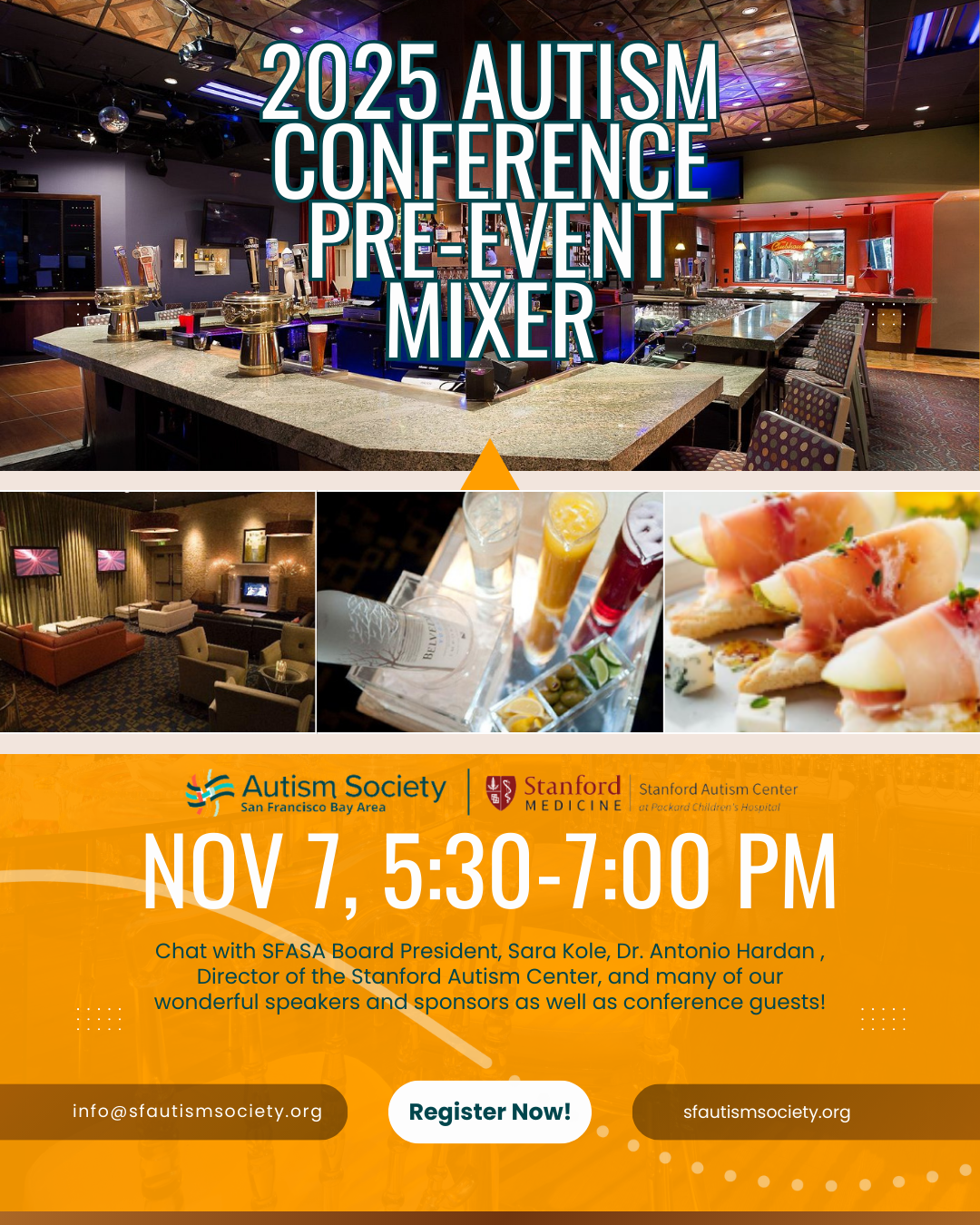
Pre-Conference Mixer!

We have a block of reduced-rate rooms reserved for conference attendees. Whether you’re traveling from a distance to be here, wanting more time to take advantage of opportunities to network, or just looking to turn the conference into a mini-vacation — reserve your room today.
Whether you reserve a room or not, please join us for the Friday evening, pre-conference mixer for a chance to get to know the amazing Sara Kole, SFASA Board President, the renowned Dr. Antonio Hardan, Director of the Stanford Autism Center, and many of our wonderful sponsors and speakers.
Each guest will receive two drink coupons and we will have light hot and cold appetizers for your enjoyment. We will have a free door prize raffle for all that arrive before 645pm. The hosted portion of the event will end at 7pm but everyone is welcome to continue to network beyond that time. The area is located adjacent to the lobby bar, and it will be a festive Friday night should you desire to stay.
If you have any questions at all, please contact Leslie at [email protected].
Please note – all speakers and sponsors at or above the $1500 level are admitted for free. Thank you and look forward to seeing you all in November!
Show your love for SFASA!





Merchandise sales for the conference have closed.
Mix and Mingle over a Wonderful Lunch!



Menu coming soon.
Registration:
$99 — Early Bird Registration (ends September 20)
$119 — Standard Registration
Conference registration is free with membership.
(Membership not required.)
Gold Sponsors

Silver Sponsors



Bronze Sponsors









Friends of SFASA















Conference registration is free with membership.
(Membership not required.)